
With: Agnieszka (Agnes) Rdesinska
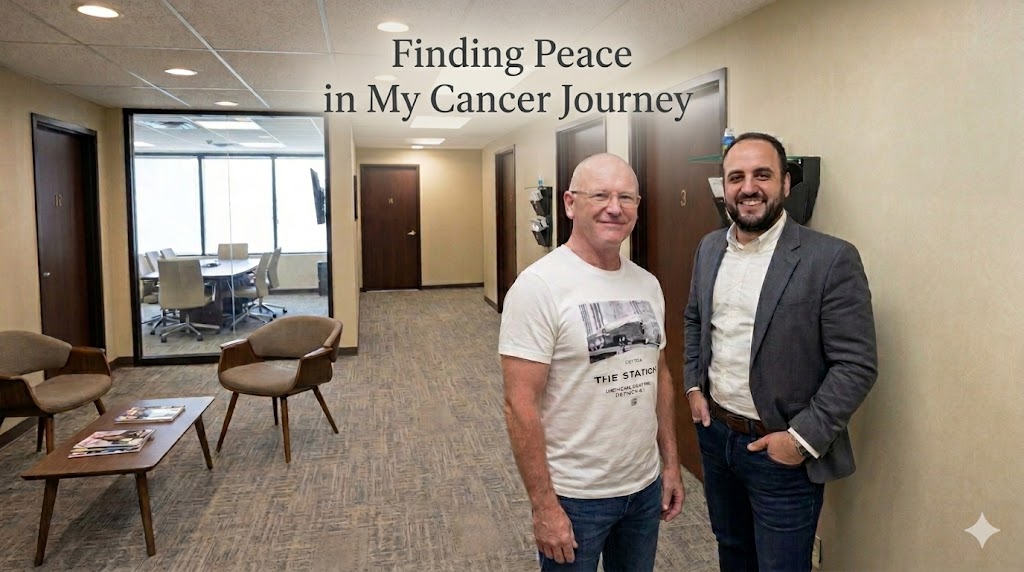
In an interview I gave with friend Agnieszka (Agnes) Rdesinska, I was asked by the therapist in her, “You’ve made us wait so long for an official ‘Meet Me’… so why did you agree to do it now?” An excerpt of my reply to her question was, “To me you’re that safe place I lost along with that friendship. A sanctuary of sorts with a mission of healing not destroying.”
I hadn’t realized until recently, while talking to the therapist portion of my friend, Agnes, exactly how important having a ‘safe person‘ in your life is. As I merely entrusted my previous one to be there, if needed, not knowing or even thinking far enough ahead of what would happen if she wasn’t.
As it so happens, she isn’t around any longer; while Agnes is and has eagerly taken on her new role as my safe place. So, I wanted to delve into the facts and benefits of what having a safe person is like.

What is a Safe Person?
As a therapist, is there a professional definition of a ‘safe person’ and what is it?
“A ‘safe person’ is someone who can provide emotional safety and emotional support,” begins Agnes and adds. “Being a ‘safe person’ is one of the primary roles of a therapist, but the more, safe people you have around you, the better.”

We all understand that no one is perfect. With that being said, why do we need a safe person (people) in our lives?
We need safe people exactly because we’re not perfect. Safe people offer the acceptance and understanding that allow us to embrace our imperfections without fear of judgment. In turn, a safe person doesn’t have to be perfect either; it’s about mutual acceptance and support, where both parties recognize and respect each other’s flaws.
Emotional safety is a basic psychological need. If you’re surrounded by people who shame and reject you whenever you don’t act the way they want, you’ll be forced to live a life of inauthenticity, suppressing your true feelings and who you really are. This can lead to chronic stress, which in turn causes various health problems, both physical and mental. That’s why psychologists emphasize the importance of having ‘safe people’ around.

Knowing we all make mistakes, what should we take into account before choosing, designating and asking someone to be that person? Or do they even have to know they’re our safe person?
You don’t really designate someone to be your safe person, unless you’re searching for a therapist of course! You can ask someone to try and become that person for you but being a ‘safe person’ takes a lot of work.
Anyone can become a “safe person” if they truly want to. There are some key traits every safe person has:
They don’t judge.
They don’t invalidate your feelings.
They’re trustworthy.
They respect your point of view, even if you disagree on something.
They respect your boundaries and wishes.
They communicate well, without making assumptions.
They don’t bring you down—they encourage growth instead.
And most importantly, they don’t create drama or take petty offense because they trust that you mean well. For example, if you forget to call them because you had a lot going on, they won’t take it personally, nor will they take it out on you or abandon your friendship over it. A safe person understands that people can make mistakes, and it’s not always about them.
Why would we need someone flawed in our life to begin with, especially someone we’re going to be calling ‘safe?’
It’s not about needing someone who’s flawed, it’s about being flawed ourselves. Everyone is.

If we’re looking for someone to validate our own feelings, even if we’re wrong because we are flawed, wouldn’t that be anti-growth having what we call here in the states as a ‘yes person’ (someone that agrees with everything) as a safe person?
That’s a really good question. But that has to do with the character of the ‘safe person’s’ beneficiary. For example – narcissistic people surround themselves with ‘yes people’, because they can’t handle any criticism or disagreement. It’s not because the ‘yes people’ want to hinder their growth, it’s because they’re terrified of saying anything else than ‘yes’. A ‘safe person’ is honest and trustworthy, and they typically surround themselves with other ‘safe people’.

Seems we’d want someone to point, in a kind way, our own flaws out. Or isn’t that the case with a safe person?
Absolutely! That’s one of the things we can expect from a ‘safe person’. When a ‘safe person’ gives you pointers, you know it comes from a place of care.

How about a brief synopsis on what we can really expect in a safe person?
A safe person provides emotional support and acceptance, allowing you to be your authentic self without fear of judgment. They listen empathetically, respect your boundaries, and are trustworthy and reliable. ‘Safe people’ encourage your personal growth and communicate openly, creating a secure and nurturing environment.
My advice is to strive to become a “safe person” yourself. By embodying these qualities, you’ll find that your relationships and friendships become much more fulfilling and meaningful.

The Rest of the Story
I always have a wonderful and soul-searching time when discussing issues with Agnes during our sessions and today was no different. Without pointing out my own flaws I’ve learned where I errored along the way and know where to take corrective actions. And if you’ve been following along with us there’s no need for me to point them out nor even mention. That to me would be counterproductive to my personal growth.
To Agnes, I say thank you once again not only for your time but expertise as well. It truly is a pleasure having you in my life and I hope many others seek out your help and advice because of our journey together.
You can find my sites on Linktree. And if you enjoy my website, please consider a small donation to help me keep it afloat at paypal.me/justmeric. Thank You.
Dailyprompt, Dailyprompt-2099,

Leave a Reply